

Bellefontaine's Main Street is quietly experimenting with tactical urbanism, a grassroots approach to urban renewal that focuses on small, temporary improvements with the potential for lasting change. Instead of waiting for large-scale projects, local residents and business owners are trying quick fixes—like pop-up parklets and street art—to reimagine the heart of downtown. These low-cost interventions aim to make the streets more inviting, walkable, and socially vibrant, directly responding to the community’s immediate needs.
This approach isn’t new but is gaining traction across cities, big and small, as a way to bridge the gap between planning and real-world change. Tactical urbanism allows for rapid experimentation, giving residents the chance to test ideas before committing to permanent infrastructure. In Bellefontaine, this might mean converting vacant parking spots into gathering spots or using paint and planters to create temporary pedestrian zones. The goal is to reclaim public space from cars and create a more inclusive environment where people want to linger. More context: News.
While these projects are often temporary, their influence can be long-lasting. They serve as proof of concept, encouraging city officials and community members to think differently about how streets can serve people rather than just vehicles. The flexibility of tactical urbanism makes it a powerful tool for small towns looking to boost downtown vitality without hefty investments. It promotes community participation and helps develop a shared sense of ownership over public spaces. More context: News.
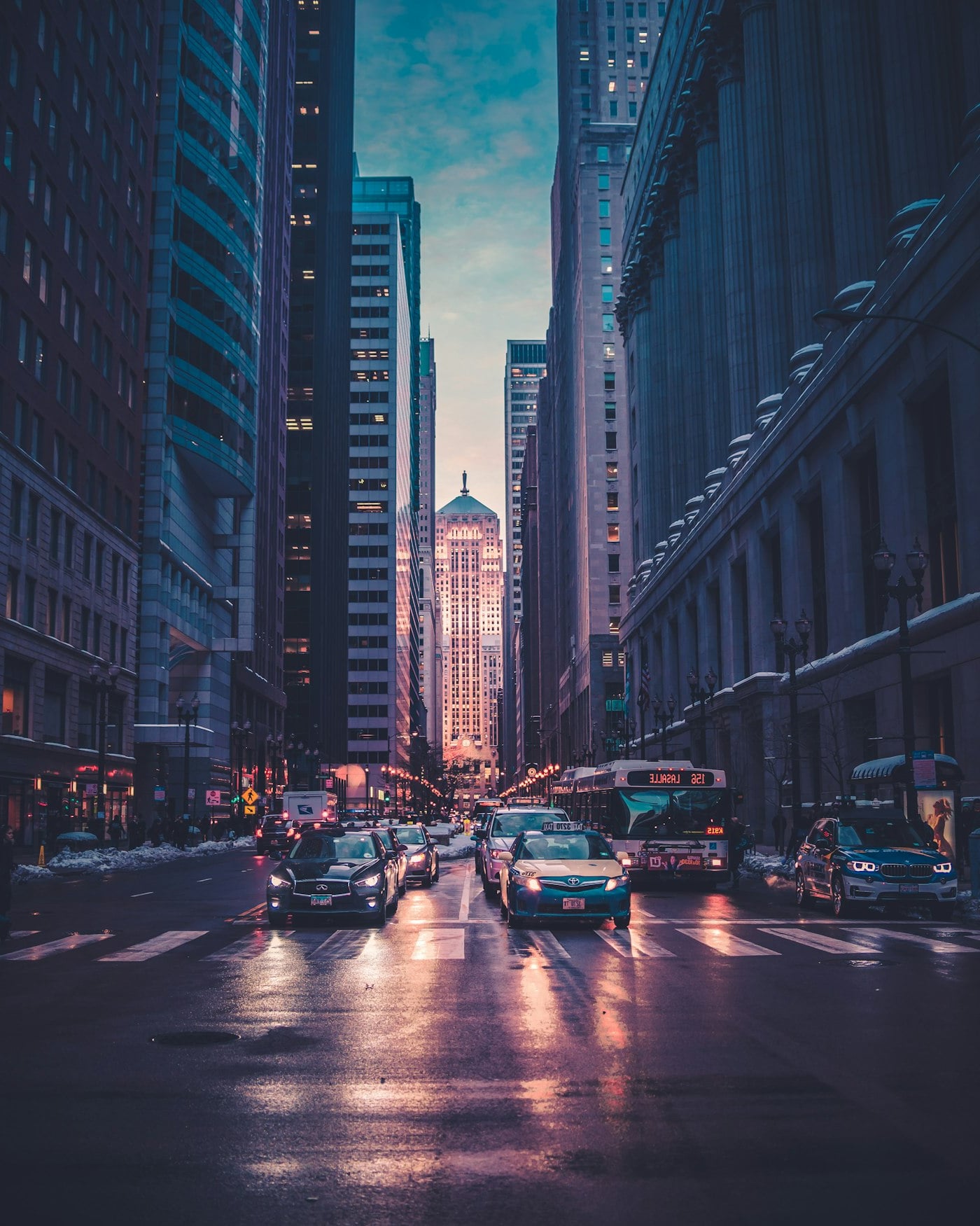
In nearby cities and across the country, tactical urbanism has turned streets into social hubs—pop-up markets, bike lanes, and art installations—all designed to make urban areas more livable and resilient. Paris, for example, has transformed entire streets into pedestrian-only zones, showing how temporary changes can lead to permanent shifts in city life. These initiatives often start small but can inspire broader, long-term improvements that reflect local priorities and creativity.
Community-led projects in Bellefontaine could follow this trend—small-scale, low-cost actions that test new ideas for downtown revitalization. For instance, creating temporary plazas or street closures during events can boost foot traffic and foster community connections. Such efforts demonstrate that meaningful change doesn’t always require extensive funding; it can happen through quick, thoughtful interventions that engage residents and businesses alike.
 Downtown Bellefontaine Pushes for Civic Infrastructure Investment
 Bellefontaine's Downtown Revival: Balancing Historic Charm with Small Business Growth